Start growing
Fast-growing; needs lots of space and consistent moisture. Tolerates flooding.
GROW SOMETHING WONDERFUL
Platanus occidentalis
Your guide to planting, growing, and getting to know this plant.
THE PLANT NOTEBOOK
Fast-growing; needs lots of space and consistent moisture. Tolerates flooding.
Sycamore seeds are small and fragile. Use the Seeds In A Cup® greenhouse to protect them from washing away in early rain.
By seed or cuttings.
Produces singular 'buttonballs' (seed clusters) that persist through winter.
Riverbanks, stream edges, and moist disturbed sites.
Highly flood tolerant; moderate pollution tolerance.
Sycamore anthracnose (causes early leaf drop).
Safe; fuzz from new leaves can be an airborne irritant to some.
A massive deciduous tree with distinctive 'camo' bark that peels to reveal white/cream inner layers.
Standard native species.
Wood is hard and tough. used for butcher blocks and crates. Iconic landscape tree
Eastern and Central United States.
Secure and widespread.
From the Greek ‘platys’ (broad), referring to its massive leaves.
Used by pioneers to build massive hollowed-out canoes and storage barrels.
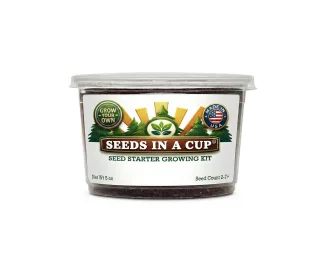
Tree Seed Starter Kit
USD 14.99
Currently unavailable
Platanus occidentalis