Start growing
Direct sow in spring once soil is warm. Does not transplant well due to a long taproot.
GROW SOMETHING WONDERFUL
Pimpinella anisum
Your guide to planting, growing, and getting to know this plant.
THE PLANT NOTEBOOK
Direct sow in spring once soil is warm. Does not transplant well due to a long taproot.
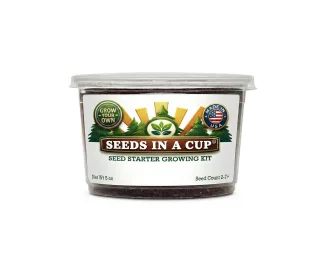
The Seeds In A Cup® clear planter is perfect for monitoring the Anise taproot as it develops before being moved to its permanent garden spot.
By seed.
Harvest seeds once the umbels turn brown and seeds are gray-green.
Dry, sunny plains with light, well-drained soil.
High drought tolerance once established; sensitive to frost.
Aphids and leaf spot.
Safe for consumption; highly aromatic.
An annual herb growing to 1 meter. Features feathery leaves and white umbrella-like flower clusters (umbels).
Standard garden anise.
Seeds used in baking and flavoring liqueurs (Ouzo, Absinthe). Leaves used in salads
Native to the Eastern Mediterranean and Southwest Asia.
Secure.
From the Greek ‘anison’, referring to the herb’s aromatic seeds.
Used by ancient Egyptians for medicine and by Romans as a digestive spice after feasts.