Start growing
Extremely fast. Tolerates poor, dry soil. Full sun required.
GROW SOMETHING WONDERFUL
Robinia pseudoacacia
Your guide to planting, growing, and getting to know this plant.
THE PLANT NOTEBOOK
Extremely fast. Tolerates poor, dry soil. Full sun required.
Seeds have a very hard coat. Seeds In A Cup® recommends the scarification methodology (sandpaper rub) before planting.
By seed or root cuttings.
Blooms spectacularly in late spring; fixes significant nitrogen in the soil.
Disturbed soils, dry hillsides, and forest edges.
Highly drought and road salt tolerant.
Locust borer and locust leafminer.
Bark and seeds are toxic to livestock; flowers are edible for humans.
A fast-growing deciduous tree with pinnate leaves, thorns on young branches, and fragrant white pea-like flowers.
‘Frisia’ (Golden leaves), ‘Purple Robe’.
Timber is rot-resistant (fence posts, ship hulls). Flowers produce world-famous Acacia honey
Endemic to the Appalachian mountains; globally widespread.
Secure; considered invasive in some non-native ranges.
Named after Jean Robin, herbalist to French kings.
Crucial to American pioneers for building fence posts that lasted decades longer than other woods.
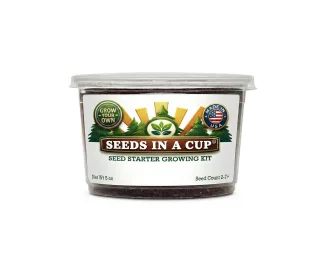
Tree Seed Starter Kit
USD 14.99
Currently unavailable
Robinia pseudoacacia