Start growing
Direct sow; long taproot makes it hard to transplant. Give space (grows 3-4 feet tall).
GROW SOMETHING WONDERFUL
Anethum graveolens
Your guide to planting, growing, and getting to know this plant.
THE PLANT NOTEBOOK
Direct sow; long taproot makes it hard to transplant. Give space (grows 3-4 feet tall).
The Seeds In A Cup® methodology involves moving the plant to the garden once it reaches 3 inches to respect the taproot.
By seed.
Matures quickly; harvest leaves early and seeds once they turn brown.
Open sunny fields and fertile garden soils.
High drought tolerance once established; sensitive to wind.
Tomato hornworm and swallowtail butterfly caterpillars (which it hosts!).
Safe for consumption.
A tall annual herb with feathery leaves and large yellow flower umbels.
‘Mammoth’, ‘Bouquet’, ‘Fernleaf’.
Pickling, fish dishes, and potato salads. Seeds used in rye bread
Native to the Mediterranean and West Russia.
Least concern.
Old Norse ‘dilla’, meaning to lull or soothe.
Used by ancient Greeks for fragrance and by Hippocrates for oral hygiene.
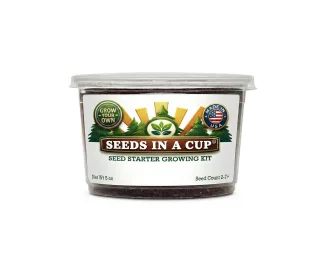
Seed Germination Kit
USD 10.99
Currently unavailable
Anethum graveolens